Once upon a time I found myself sitting down to dinner in a tent not far from Tiniteqilaq. East Greenland. My hosts were an Inuit family whose food came from the land, the sea, and the ice. In Tinit, as it’s often abbreviated, you either hunt or you go hungry.
Our hors d’oeuvre consisted of square chunks of seal nose, an East Greenland specialty. We ate it by holding the attached whiskers as if they were toothpicks, then sticking the boiled proboscid morsel into our mouths. The resident elder, Avannaq, told me that this was the proper way to eat seal nose if you wanted to avoid greasy fingers.
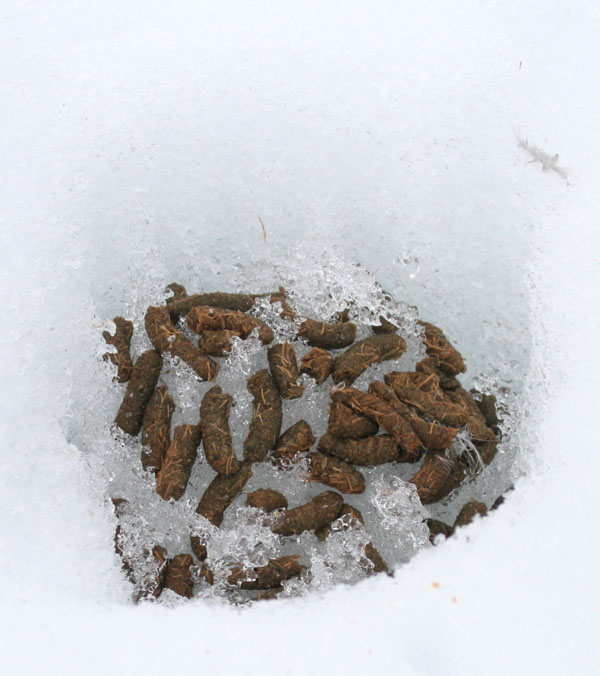
An Inuit culinary delicacy!
“Marmartuq?” he asked. (You like it?)
“Mamagiq!” I replied. (Delicious!)
At which point he provided me with the dish’s recipe:
- Go out and kill a seal, then take a chunk of the meat, preferably from the flank, and cut it into small pieces
- Chew each piece a number of times, then spit them into a bowl. Be sure you spit into the bowl too, as that helps the ingredients ferment and likewise serves as a sort of seasoning.
- Mix in some ptarmigan shit. This ingredient should be dry. Fresh ptarmigan shit is somewhat astringent, and its viscosity is not pleasant to every palate.
- Stir the aforementioned items for a few minutes, add a cup or two of slightly rancid seal oil, and –voila! –serve forth.
“Can you substitute something for the ptarmigan shit?” I inquired.
Avannaq shook his head vehemently. No less than Julia Child, he knew exactly what made a recipe work.
One culture’s prized entree is another culture’s visit to the vomitorium. I suspect Avannaq would have been appalled at the idea of eating a parsnip or cauliflower, not to mention brussels sprouts. And he might have asked me some rather pointed questions about what, exactly, lurks inside the skin of the American hot dog.
But there’s another point to this story besides the relativity of taste. The only hunting and gathering most of us non-Greenlanders do occurs within the confines of our friendly neighborhood supermarket. And if we do venture into the field, we take with us packets of freeze-dried ersatz probably processed hundreds of miles away.
I once offered one of these packets –I think it was beef stroganoff–to an Iban tribesperson in the jungles of Borneo. He ripped it open and poured the powdery contents into his mouth. The look on his face suggested that this cuisine did not compare with home-grown kitty cat.
Now back to the tent in Tinit. There was still some of our entree left. I declined a third helping not because I felt queasy but because I was full. I did not even have room for the salmonberry dessert.
After our repast, Avannaq and I, boasting literal shit-eating grins, gazed at each other with satisfaction. It was a satisfaction that can only come from putting into one’s mouth food snatched directly from the wild.
Many thanks to Doug Holden for permission to use his photo of ptarmigan shit taken atop Mount Cairngorm.
 This extremely handsome book which includes photographs, diary jottings, and essays by various hands details explorer conservationist Ernest Oberholtzer’s epic 1912 canoe trip from The Pas, Manitoba, to Hudson Bay. The photos, especially, are remarkable; at once lyrical and austere, they provide an eloquent window on a lost time and a distant place. A “must” for canoeists and Arctic aficionados.
 Part myth, part fiction, and part family memoir, The Chukchi Bible details the history of Siberia’s Chukchi from the time when Raven created the world out of gobs of his own shit to the year 1999. But it’s not only a history. It’s also an elegy on the death of a traditional culture due to assaults from the outside world. I have no hesitation in calling the late Yuri Rytkheu’s book a master piece. Urgently recommended to anyone with even the slightest interest in the Arctic or its Native people.
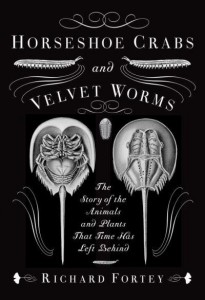 Paleontologist Richard Fortey (author of Life: An Unauthorized Biography) rambles around the world in search of relic species, including onychophorans, gingko trees, lampreys, tuataras, chambered nautiluses, lungfish, ferrerets, horsetails, and echidnas. In his own home in England, he finds an ancient survivor known to everyone — the cockroach. Elegantly written and often very funny, this book provides an excellent complement to Piotr Naskrecki’s primarily photographic work Relics.